
 Home Care Equipment's
 Medical Accessories
.webp) Reagent & Device
Reagent & Device
 Diagnostic & Hospital Instruments
-8% ছাড়

বিস্তারিত
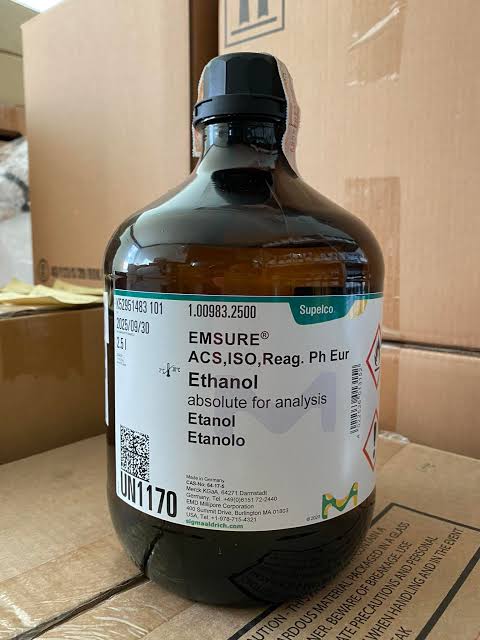
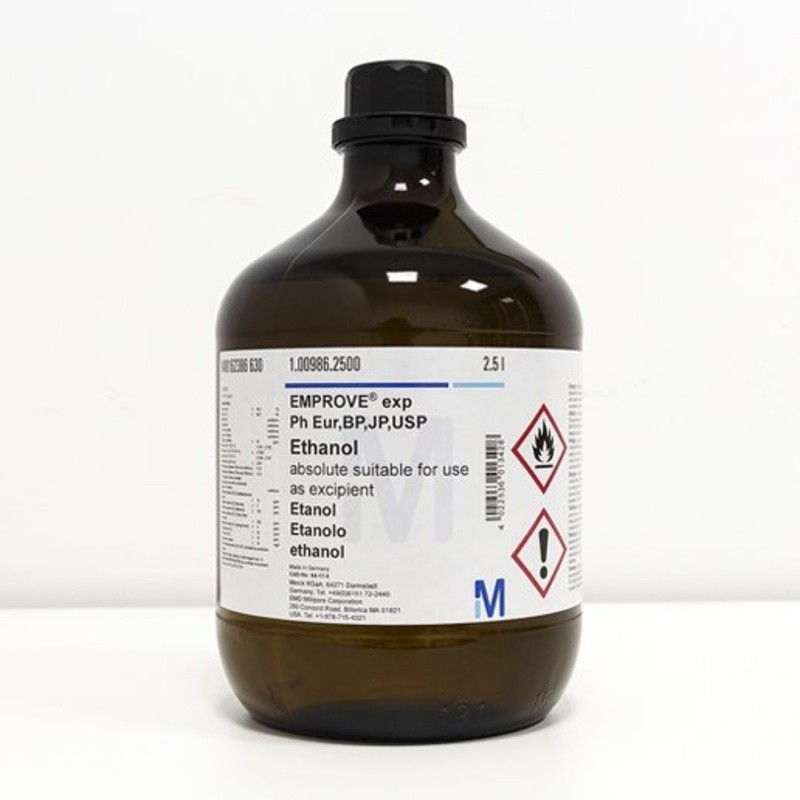
Ethanol Lab Grade Glass jar 2.5L
Product Information
Physicochemical Information
Ethanol Lab Grade
Key Points
- Purity: Lab-grade ethanol typically has a high purity level, often 95-99.9%.
- Denatured vs. Non-Denatured: Ethanol can be denatured (containing additives to make it unfit for consumption) or non-denatured.
- Anhydrous vs. Hydrous: Anhydrous ethanol (absolute ethanol) contains less than 0.1% water, while hydrous ethanol (95% ethanol) contains about 5% water.
- Storage Conditions: Lab-grade ethanol is typically stored in airtight containers to prevent evaporation and contamination, and it should be kept in a cool, dry place away from direct sunlight.
Uses of Ethanol in Laboratories
- Solvent: Widely used as a solvent for dissolving chemicals, preparing solutions, and extracting compounds from biological samples.
- Disinfectant and Sterilizer: Employed to disinfect surfaces, sterilize equipment, and clean biological specimens due to its antimicrobial properties.
- Preservation of Specimens: Used to preserve biological specimens and samples by preventing microbial growth and decomposition.
- DNA/RNA Extraction: Essential in molecular biology for purifying and concentrating nucleic acids through ethanol precipitation.
- Tissue Dehydration: Utilized in histology for dehydrating tissue samples before embedding them in paraffin for microscopic examination.
- Chromatography: Acts as a mobile phase in chromatographic techniques like TLC and HPLC for the separation and analysis of compounds.
Precautions When Using Ethanol in Laboratories
- Flammability: Ethanol is highly flammable. Keep it away from open flames, sparks, and sources of heat. Use in well-ventilated areas and store in flame-proof cabinets.
- Health Hazards: Ethanol can be irritating to the skin, eyes, and respiratory system. Use appropriate personal protective equipment (PPE) such as gloves, goggles, and lab coats.
- Proper Ventilation: Ensure adequate ventilation when using ethanol to avoid inhaling fumes, which can cause dizziness, headache, and respiratory issues.
- Spill Management: Be prepared to manage spills by having appropriate spill kits and materials (such as absorbent pads and inert materials) readily available.
- Labeling and Storage: Clearly label containers with the contents and hazards. Store ethanol in tightly sealed containers in a cool, dry, and well-ventilated area, away from incompatible substances.
- Disposal: Dispose of ethanol waste according to local regulations and guidelines. Do not pour it down the drain; use designated hazardous waste disposal methods.
Best ethanol price in Bangladesh Ethanol Glass Jar 2.5 L
Reviews (0)
Get specific details about this product from customers who own it.
This product has no reviews yet. Be the first one to write a review.


.jfif)


